Luma Editions
A modular identity gives an independent art publisher one recognizable system across books, events, and seasonal releases.
- Scope
- Identity and publishing
- Template role
- System and applications
- Applications
- Books, posters, digital
- Content status
- Fictional demo
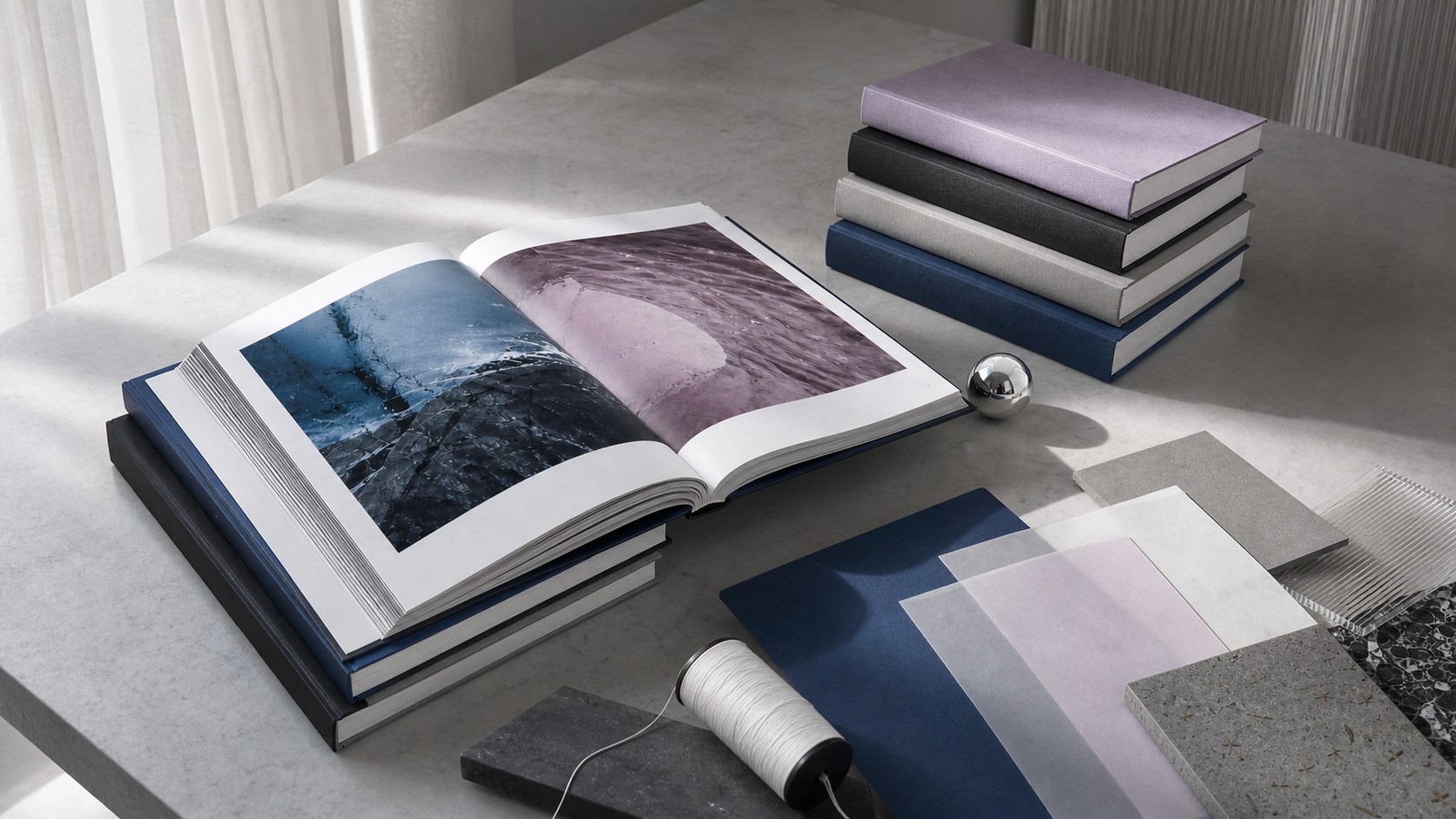
Challenge
Let every title lead without losing the imprint.
Luma Editions is imagined as a small publisher working across photography, criticism, and artist-led research.
The system needed a stable structure for the imprint while allowing each release to introduce a distinct image, paper, and color.
A frame, not a fixed look.
Consistent type, spacing, and placement hold the imprint together. Each book then changes scale, image crop, and material.
Stable imprint layer
The publisher name, colophon structure, and release information remain predictable across every format.
Variable title layer
Cover art, paper stock, image ratio, and campaign color can change for each release.
Digital translation
The same hierarchy scales into launch pages, event cards, and accessible social crops.
Simple buyer edit
Replace the local images and concise metadata, then reuse the existing modules without a component framework.
Applications that prove the system.
This second case-study pattern groups images by application rather than asking the visitor to follow a linear chapter story.
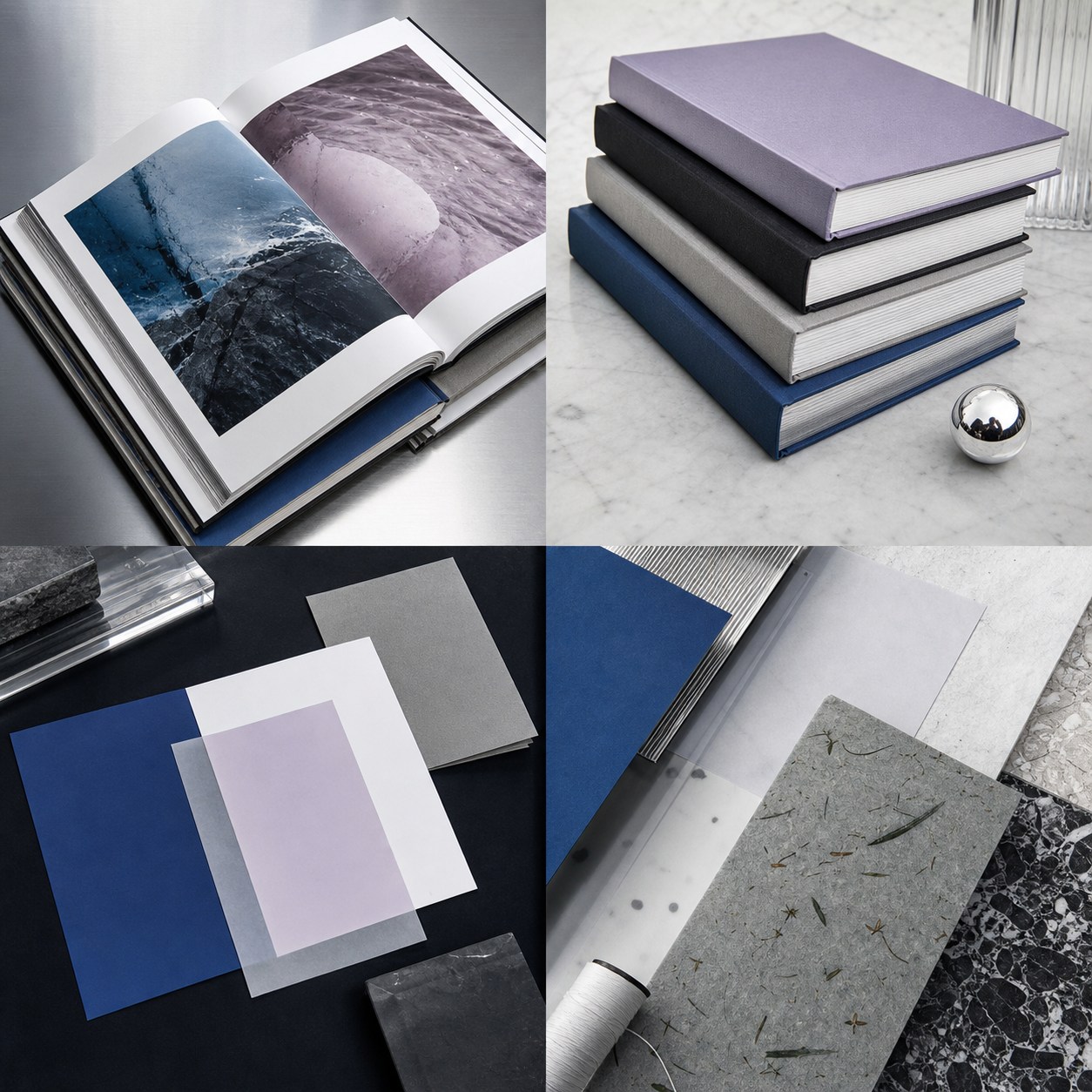
What this pattern gives the buyer.
This structure works for identity, packaging, publishing, and campaign work where the core value is a system applied across related formats.
The modular blocks can be rearranged without changing shared typography, image behavior, navigation, or mobile collapse.